3 Oct 2026
Berlin Casinos Advance Sustainable Operations Across Multiple Venue Areas
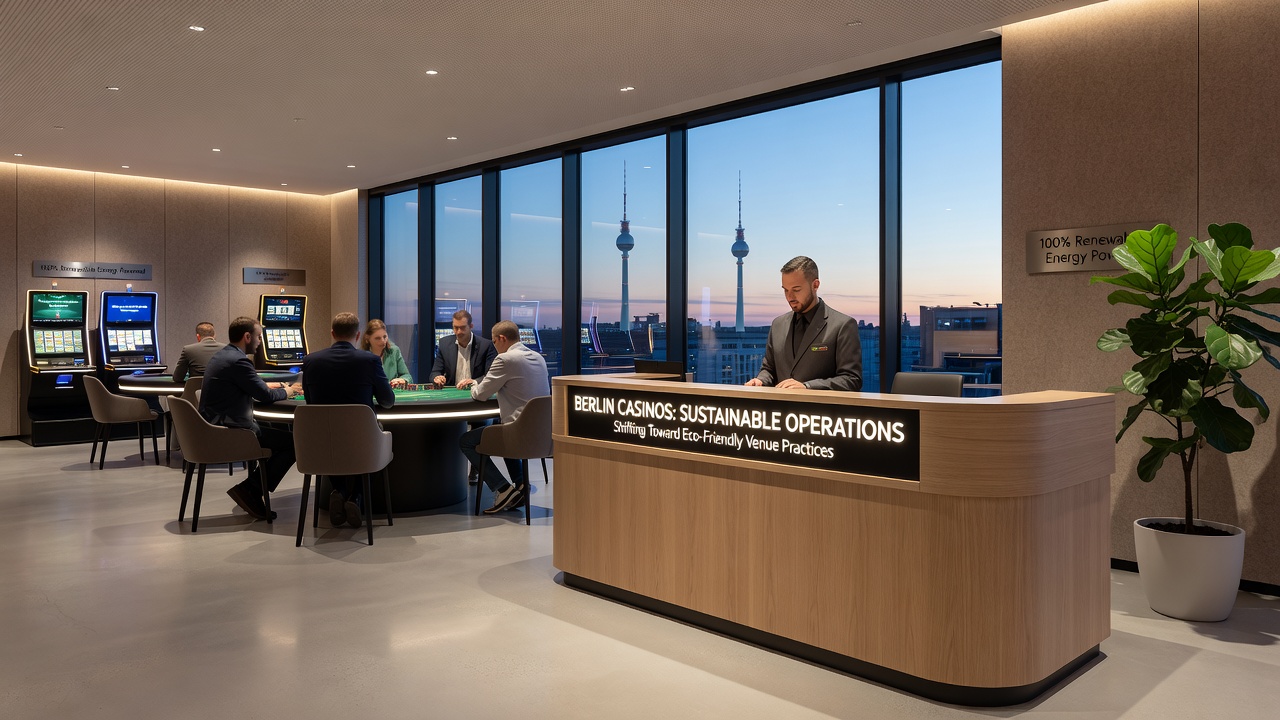 Berlin casino operators have introduced coordinated changes to energy management, waste handling, and supply chains in recent years, and data from regulatory filings shows measurable reductions in resource use at several major sites. These adjustments align with broader European Union environmental targets while addressing local requirements from the Berlin Senate Department for the Environment, and observers note that facilities now track consumption metrics more closely than in previous decades.
Energy Efficiency Upgrades in Gaming and Support Spaces
Facilities have replaced traditional lighting systems with LED arrays that cut electricity demand by up to 40 percent according to internal audits released in 2024, while HVAC controls now incorporate occupancy sensors that adjust output in real time. Berlin venues also report installing solar panels on rooftops where structural assessments permitted, generating a portion of daytime power needs and reducing reliance on grid sources during peak hours.
One property completed a full retrofit of its slot machine banks in early 2025, swapping older units for models certified under the EU Ecodesign Directive that consume less standby power, and similar projects are underway at additional locations ahead of the October 2026 deadline for updated energy performance reporting mandated by city authorities.
Waste Reduction and Circular Material Flows
Operators have expanded recycling programs to cover card stock, plastic chips, and food service containers, diverting an average of 65 percent of total waste from landfills based on figures compiled by the German Federal Environment Agency. Composting systems handle organic kitchen waste at two central Berlin sites, and procurement teams now favor suppliers that provide take-back options for packaging materials.
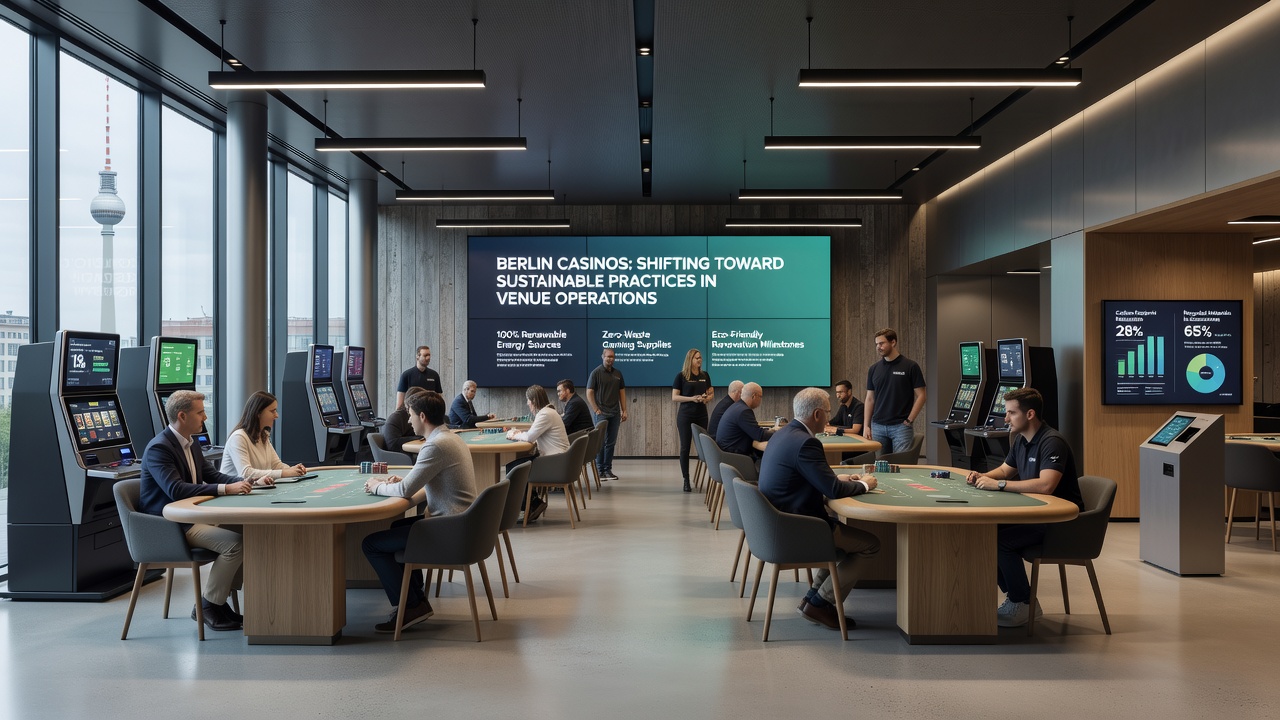
These material recovery efforts connect directly to purchasing policies that prioritize certified sustainable products, and managers coordinate with local waste management firms to maintain compliance with national circular economy legislation. Data indicates that single-use plastic consumption dropped 30 percent across monitored venues between 2023 and 2025.
Water Conservation Measures and Supply Chain Adjustments
Low-flow fixtures in restrooms and kitchens have lowered water usage by roughly 25 percent at participating properties, while rainwater harvesting systems supply irrigation for any exterior landscaping. Kitchen operations now emphasize seasonal, regionally sourced ingredients to shorten transport distances, and several venues have shifted to cleaning products carrying EU Ecolabel certification.
Industry reports compiled by the European Environment Agency highlight how these combined steps contribute to lower overall carbon footprints, and Berlin operators share anonymized performance data through voluntary benchmarking programs that began in 2024. The approach avoids duplication of effort across sites while allowing each venue to adapt measures to its specific layout.
Regulatory Timeline and October 2026 Milestones
City-level rules scheduled for October 2026 require casinos to submit verified sustainability reports covering energy, water, and waste indicators, building on existing German federal standards for commercial buildings. Operators have used the intervening period to install monitoring systems that feed real-time data into centralized dashboards, simplifying the preparation of those forthcoming submissions.
Training programs for staff cover new operational protocols, and external auditors conduct periodic reviews to confirm adherence. These preparations reflect alignment with wider EU Green Deal objectives rather than isolated local initiatives, and figures from the Berlin Senate indicate that multiple venues already meet or exceed the projected thresholds.
Observed Outcomes and Ongoing Tracking
Independent assessments conducted by research teams at Humboldt University have documented incremental improvements in indoor air quality alongside reduced utility costs at sites that completed the earliest upgrades. While exact savings vary by property size and age, aggregate data points to consistent downward trends in both electricity and water consumption metrics over the past three reporting periods.
Venues continue to refine practices as new technologies become available, and coordination with municipal utilities supports integration of renewable energy certificates where on-site generation falls short. The cumulative effect appears in annual environmental statements published on operator websites, which detail progress against baseline years established in 2022.
Conclusion
Berlin casinos have integrated sustainability criteria into daily venue management through equipment upgrades, material recovery systems, and revised procurement standards, and the October 2026 reporting requirements will formalize ongoing measurement. Available records from government and academic sources confirm that resource consumption has declined across key categories while operational continuity remains intact. Continued monitoring will show whether these patterns hold as additional facilities complete their transition phases.