31 Oct 2026
Inside the Training Regimens That Prepare Employees for High-Stakes Environments in Berlin's Gaming Industry
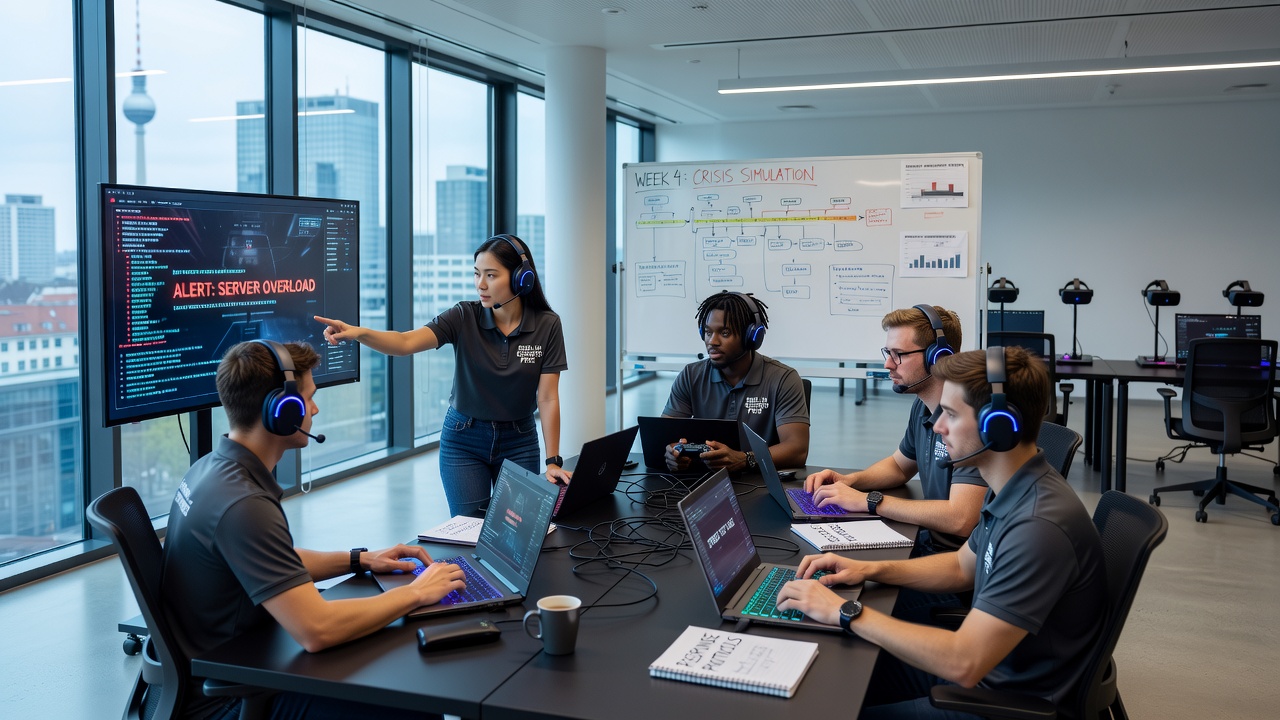
Berlin's gaming venues maintain structured training programs that equip staff with skills for high-pressure situations involving large financial transactions, regulatory compliance, and customer interactions. These regimens combine classroom instruction with practical simulations, and they draw from standards established by industry groups across Europe and North America. Data from the German Federal Ministry for Economic Affairs shows that casino operators in the capital have expanded these programs since 2024, with participation rates reaching 95 percent among full-time employees by mid-2025.
Training begins with foundational modules on game rules, payout calculations, and table management. Employees practice these elements in controlled settings before advancing to scenarios that replicate peak hours or unexpected events. Instructors use video analysis to review decisions, and this method allows participants to identify patterns in their responses without the distractions of live environments.
Simulation Exercises Build Decision-Making Speed
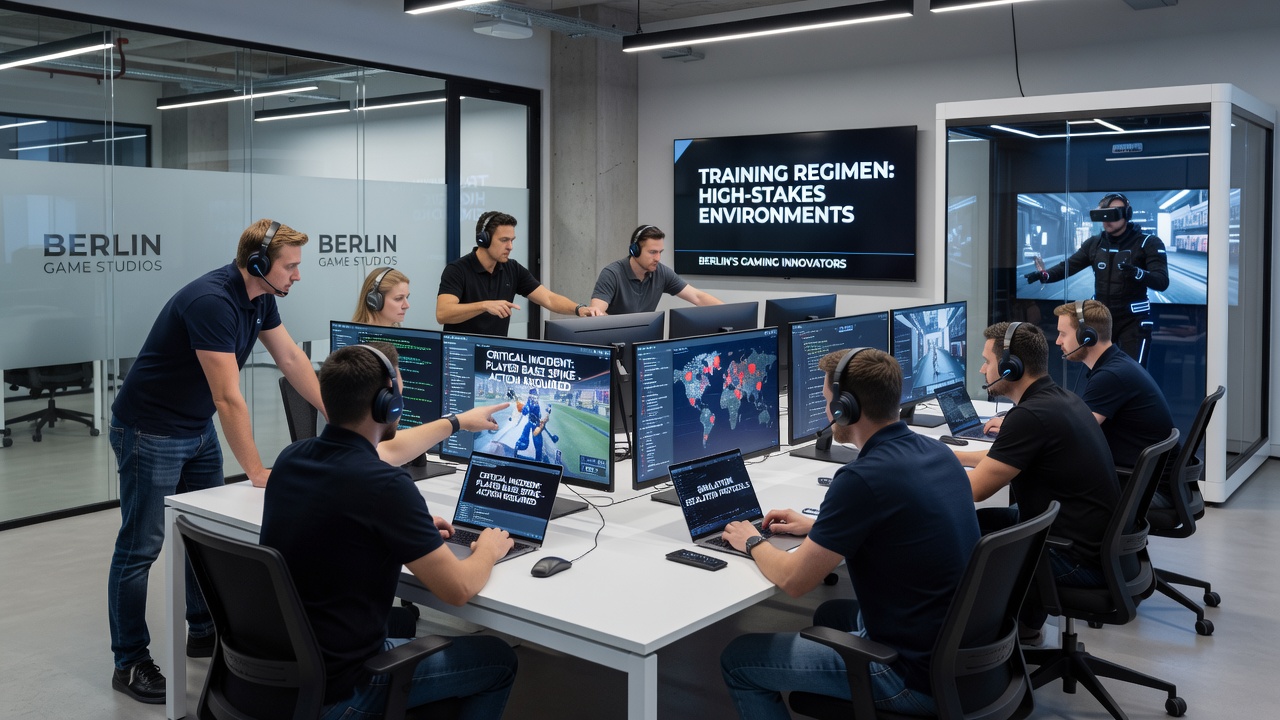
Advanced sessions place trainees in mock high-stakes tables where bet sizes exceed normal limits and player behavior varies unpredictably. Facilitators introduce variables such as disputes over wins, equipment malfunctions, or sudden regulatory checks. These drills typically last four to six hours and occur monthly for veteran staff. Observers record metrics on response time and accuracy, then compare results against benchmarks set by the European Casino Association.
One program integrates virtual reality headsets to recreate crowded casino floors during major events. Participants navigate these digital spaces while handling chip counts and security alerts simultaneously. Figures from the International Association of Gaming Regulators indicate that venues adopting similar tools report a 22 percent reduction in procedural errors during actual shifts.
Regulatory Knowledge and Compliance Drills
Berlin operators align their curricula with updates from the Berlin Senate Department for Economics, Energy and Public Enterprises. Staff review anti-money laundering protocols, age verification procedures, and responsible gaming interventions in dedicated workshops held every quarter. Role-play exercises require employees to document suspicious activity and escalate reports within strict timeframes.
Cross-training with colleagues from other departments reinforces these requirements. Dealers learn basic security observation techniques, while floor managers practice game oversight. This approach ensures coverage during staff shortages or emergencies. A 2025 industry report compiled by researchers at the University of Las Vegas noted that integrated compliance training correlates with higher audit pass rates across multiple jurisdictions.
Customer Service Under Pressure
High-stakes environments often involve players who place substantial wagers and expect immediate attention. Training modules cover de-escalation techniques, cultural awareness for international visitors, and clear communication of house rules. Instructors present case studies drawn from real incidents at Berlin venues, then guide groups through alternative response strategies.
October 2026 marks the rollout of a new partnership between several Berlin casinos and language institutes that offers targeted modules in English, Mandarin, and Russian. These additions address the growing number of foreign high-rollers documented in visitor statistics released by the city's tourism board. Employees complete assessments that test both language proficiency and composure during simulated complaints.
Physical and Mental Preparedness Components
Programs also incorporate elements that address stamina and focus. Shift-length simulations require staff to maintain precision after several hours of continuous activity. Nutrition guidance and brief movement breaks form part of the daily routine recommendations issued to participants. Mental resilience workshops introduce breathing exercises and brief cognitive resets that can be applied between tables.
External specialists from occupational health organizations contribute to these segments. Attendance data collected by individual venues shows that employees who complete the full sequence maintain lower rates of reported fatigue compared with those who skip optional sessions.
Evaluation and Ongoing Development
Performance tracking continues after initial certification. Supervisors conduct spot observations during live operations and provide feedback through structured reports. Annual refresher courses incorporate new technologies, such as updated surveillance software or revised gaming regulations. Career progression pathways link advanced training completion to supervisory roles.
Berlin's approach reflects practices observed in other major gaming centers while adapting to local licensing conditions. Collaboration with international bodies ensures that content remains current as player demographics and regulatory expectations evolve.
Conclusion
Training regimens in Berlin's gaming industry combine technical instruction, regulatory drills, and scenario-based practice to prepare employees for demanding conditions. These structured efforts rely on measurable benchmarks and external standards that support consistent performance across shifts and venues. As new tools and partnerships emerge, operators continue to refine the content and delivery methods used in these programs.