17 Oct 2026
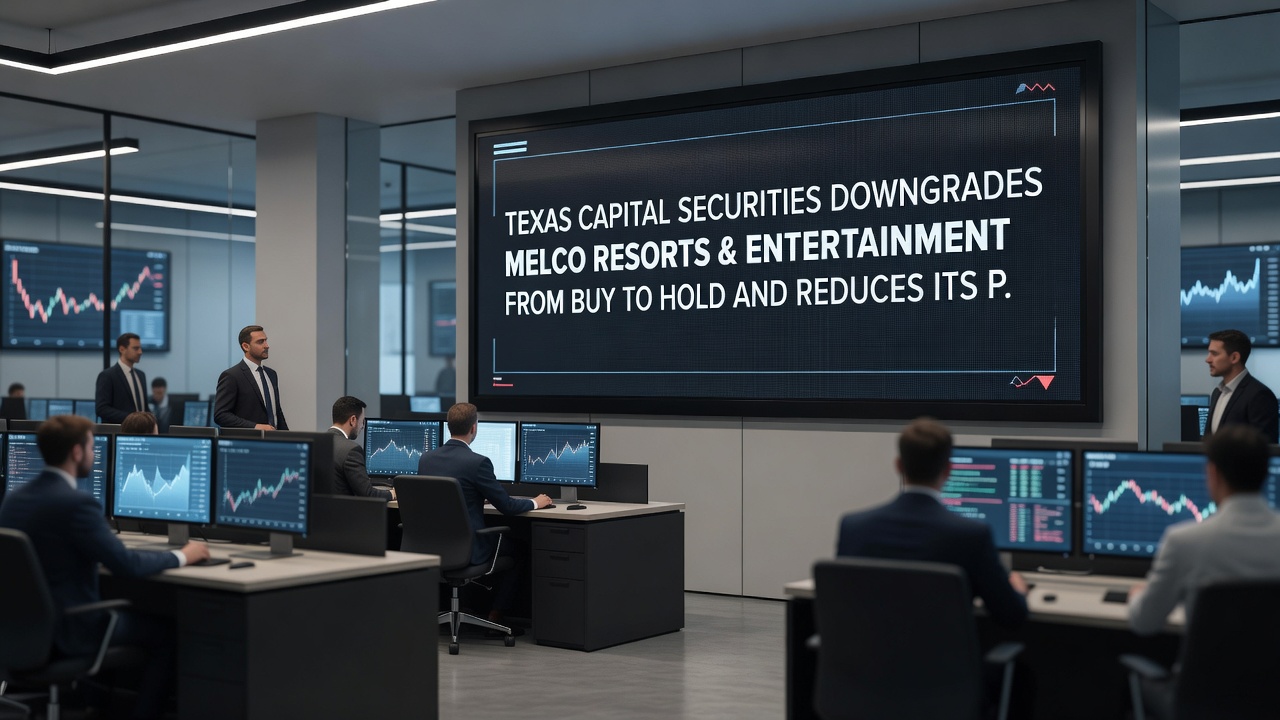
Texas Capital Securities Downgrades Melco Resorts & Entertainment Rating
 Texas Capital Securities has adjusted its stance on Melco Resorts & Entertainment by moving the rating from Buy to Hold while lowering the price target from $8 to a reduced level, and the decision stems directly from worries about conditions in the Macau market. Observers note that this action aligns with wider patterns of analyst restraint regarding the operator's results amid ongoing pressures in the regional gaming sector. The change highlights how firms monitor performance metrics tied to visitor numbers, revenue streams, and competitive dynamics across Asian gaming hubs.
Details of the Rating Adjustment
Analysts at Texas Capital Securities reviewed Melco Resorts & Entertainment's position and concluded that a Hold rating better reflects current market realities in Macau, where the company maintains significant operations through its casino properties. The price target reduction follows assessments of factors such as slower recovery in high-roller segments and shifts in local regulatory frameworks. Data from industry tracking services indicates that Macau's gross gaming revenue has faced volatility, which in turn influences how firms like Melco allocate resources and project future earnings.
Those who track such moves point out that the downgrade does not signal isolated issues but connects to broader caution across multiple analysts covering similar companies. Melco Resorts & Entertainment operates integrated resorts that combine gaming floors with hotel and entertainment offerings, and performance at these sites depends heavily on regional tourism flows from mainland China and other nearby areas. Figures released in recent quarters show varying occupancy rates and table game volumes, which contribute to the context surrounding the securities firm's updated outlook.
Context Within the Macau Gaming Sector
Macau serves as a primary revenue generator for Melco Resorts & Entertainment, and concerns over this market have prompted several firms to recalibrate expectations. Government data from the Macau Gaming Inspection and Coordination Bureau tracks monthly gaming volumes, and recent reports reveal fluctuations that affect company valuations. Experts have observed that operators in the region adjust strategies around these indicators, including marketing to VIP clients and expanding mass-market appeal through non-gaming amenities.
What's interesting here is how one adjustment can echo across investor discussions, especially when tied to macroeconomic elements like currency movements and travel policies. Melco's properties, including City of Dreams and Altira Macau, represent key assets whose results feed into overall corporate performance. Studies from regional economic research groups have documented how gaming revenue correlates with broader indicators such as hotel stays and retail spending in the area.
Broader Analyst Caution Across the Industry
Multiple research outfits have issued parallel notes on gaming companies with exposure to Macau, citing similar themes around market saturation and evolving consumer preferences. According to reports from the University of Nevada's gaming research center, analysts often factor in long-term trends such as digital entertainment competition and regulatory updates when revising targets. The Texas Capital Securities action fits this pattern, where Hold ratings replace more optimistic Buy calls as data accumulates on quarterly results.
Observers note that price target reductions typically prompt investors to review portfolio allocations, particularly for stocks listed on exchanges like NASDAQ where Melco trades under the ticker MLCO. Industry associations such as the American Gaming Association compile statistics on international operators, and those compilations show how regional challenges in Asia influence global gaming stock movements. And yet the company continues to pursue operational efficiencies, including cost controls and property enhancements designed to stabilize revenue streams.
One case where analysts revisited forecasts involved similar downgrades during periods of tourism slowdown, and those instances demonstrate how external events shape rating decisions. Data indicates that Melco's VIP gaming segment has shown sensitivity to policy changes in source markets, which contributes to the cautious stance reflected in the updated price target. Researchers at Australian universities have examined comparable patterns in other casino markets, finding that sustained caution often precedes stabilization when visitor inflows recover.
Implications for Company Performance Monitoring
Stakeholders now follow Melco Resorts & Entertainment's upcoming earnings releases more closely, as these will provide updates on whether Macau conditions improve or persist in their current form. The downgrade serves as a marker that prompts review of metrics like EBITDA margins and debt levels, both of which tie into the securities firm's evaluation process. Those who've studied this space know that such adjustments occur regularly when external market pressures intensify, and they often coincide with shifts in analyst consensus across the sector.
Regulatory filings with bodies like the U.S. Securities and Exchange Commission include details on Melco's geographic revenue breakdown, and these documents help contextualize why Macau-specific concerns carry weight in rating changes. The move by Texas Capital Securities underscores how interconnected global gaming performance remains with conditions in key jurisdictions.
Conclusion
teh rating adjustment from Texas Capital Securities on Melco Resorts & Entertainment captures a moment of recalibration driven by Macau market dynamics and wider analyst restraint. As companies prepare financial projections heading into periods such as October 2026, these updates offer reference points for tracking sector resilience. Evidence from industry reports and regulatory sources continues to inform how observers interpret such developments without assigning forward predictions.