16 Mar 2026
Berlin casinos provide a structured environment where visitors can enjoy table games and slots while following local regulations. Understanding key elements helps players make informed decisions and maintain control during their visit.

Observing Game Options and Rules
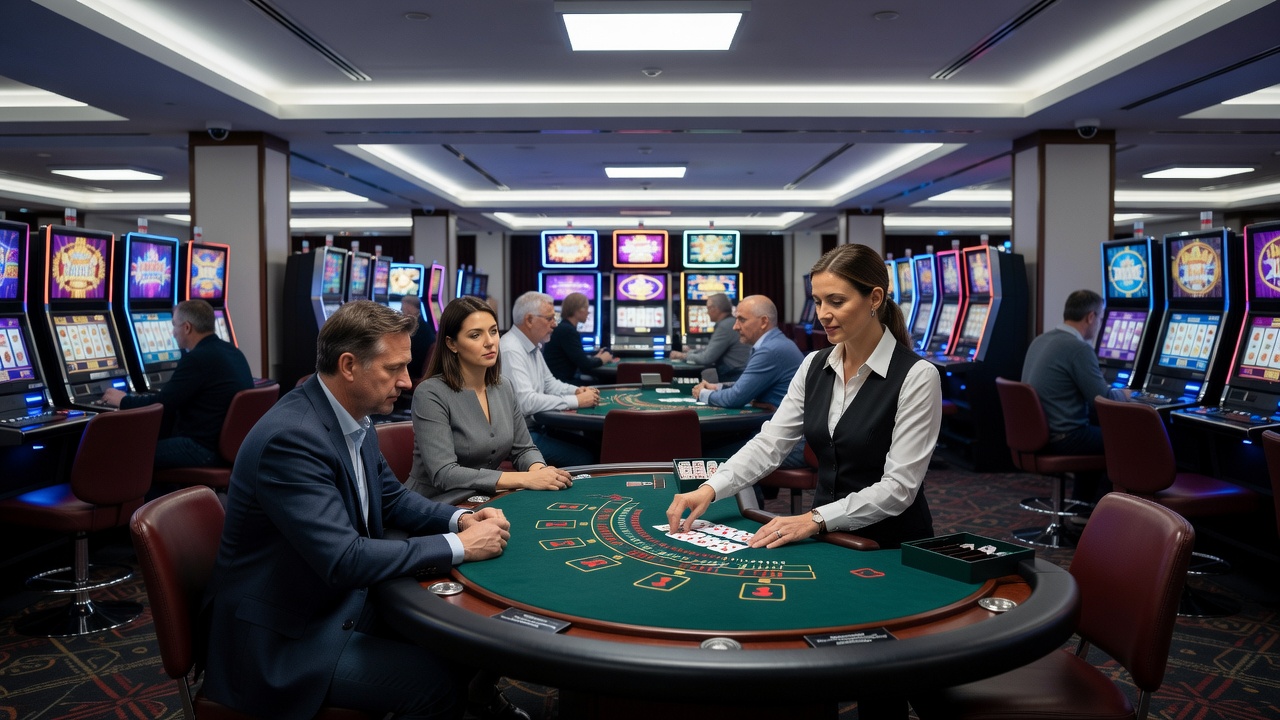
Table games such as roulette and blackjack form the core of many Berlin casino floors. Players should note the specific rules posted at each table, including minimum bets and payout structures. Roulette wheels vary slightly in design, with European versions offering a single zero that improves odds compared to American layouts. Blackjack tables often use multiple decks, and watching the dealer shuffle or cut the cards reveals the house procedures. Slot machines feature different volatility levels, so observing payout frequencies on nearby screens gives an indication of potential returns without committing funds immediately.
Live dealer areas require attention to seating availability and game speed. Some tables move quickly, suiting experienced participants, while others allow more time for decisions. Checking posted limits prevents surprises when placing chips.
Monitoring the Casino Atmosphere
The overall environment influences comfort and focus. Lighting, sound levels, and crowd density affect concentration during longer sessions. Staff interactions at cashiers and gaming tables demonstrate professionalism and adherence to procedures. Observing how disputes are handled nearby provides insight into management practices. Security measures, including camera placement and ID checks at entry, align with German gaming standards and contribute to a controlled setting.
Etiquette around tipping and personal space varies by table. Watching regular players shows acceptable behavior without direct involvement. Breaks between games allow time to assess surroundings and avoid fatigue.
Tracking Personal Limits and Spending
Setting a clear budget before entering remains essential. Tracking wins and losses on paper or a phone app helps maintain perspective. Many visitors allocate separate amounts for different games to prevent overspending on one activity. Time limits also matter, as extended play can reduce decision quality. Access to on-site information about responsible play resources supports balanced participation. Exits and rest areas should be noted in advance for easy breaks.
Reviewing these aspects creates a more deliberate visit focused on entertainment rather than impulse. Consistent observation of both the venue and personal responses leads to better outcomes over multiple trips.